
1. Simplicity Is Still Power
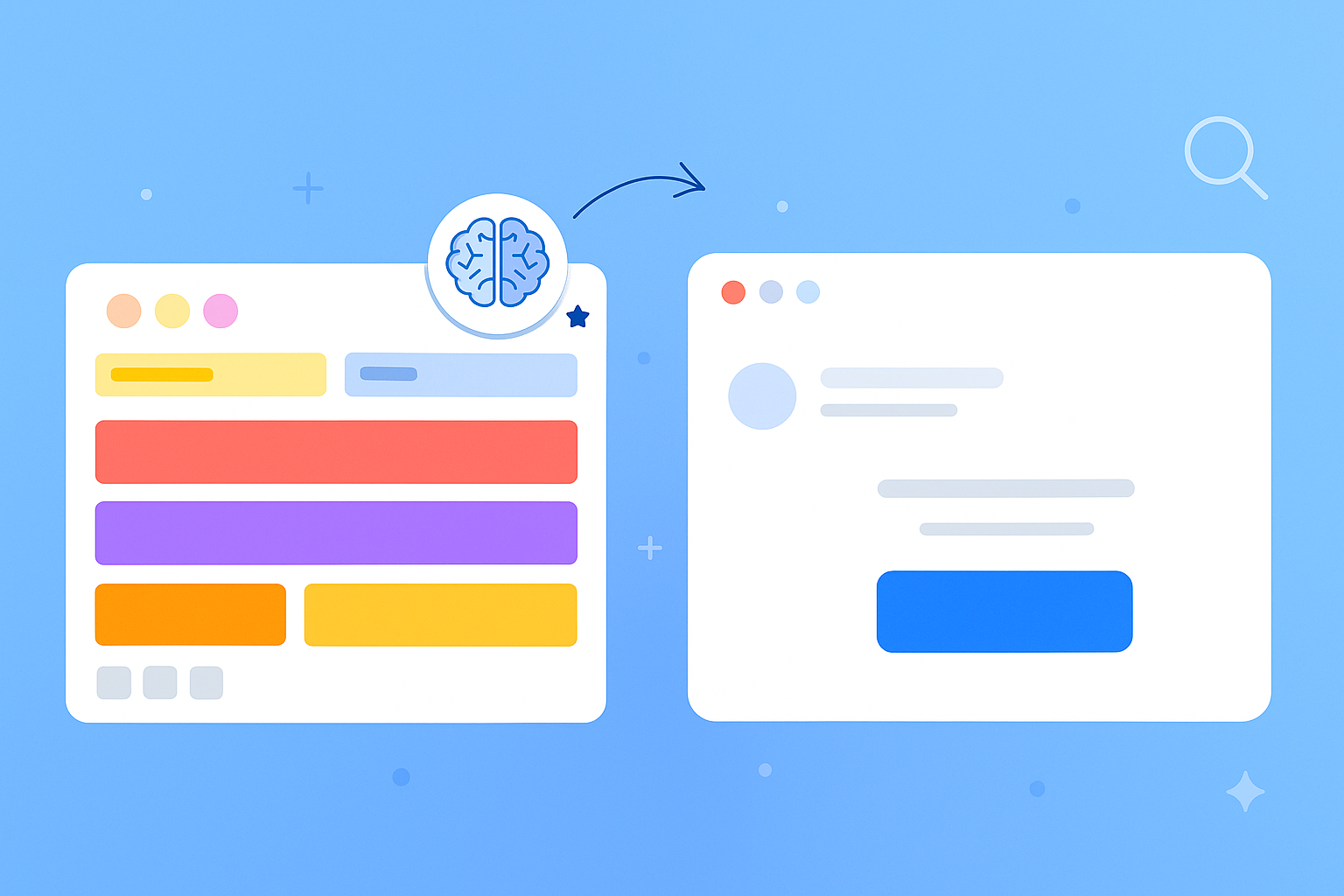
Even in an AI heavy world, the biggest gift you can give users is clarity. When you remove noise, the value has space to breathe. I have watched messy, overloaded interfaces transform into something calm and usable simply by removing what did not matter.
Simplicity is not about minimalism for the sake of aesthetics. It is about respecting the user’s time, energy, and cognitive load. A simple screen often feels smarter than a complicated one.
2. Smart Tech Still Needs a Human Touch
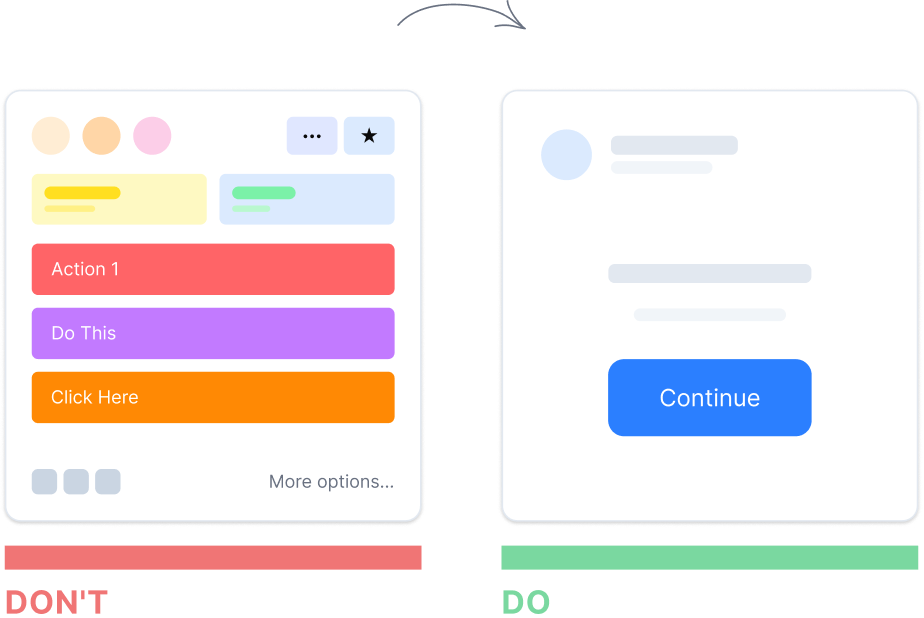
AI can predict, automate, and analyze, but it cannot decide what feels human. That responsibility is still ours. A good AI experience is not created by showing every possible capability. It is created by guiding people with clarity, offering transparency, and reducing uncertainty.
Small design choices shape how the intelligence is perceived. A clean layout, a simple question, a helpful explanation, or a gentle microcopy line can turn AI from intimidating to supportive. The tech is the engine, but the UX is the voice people trust.
3. Do Not Make People Work for What Is Important
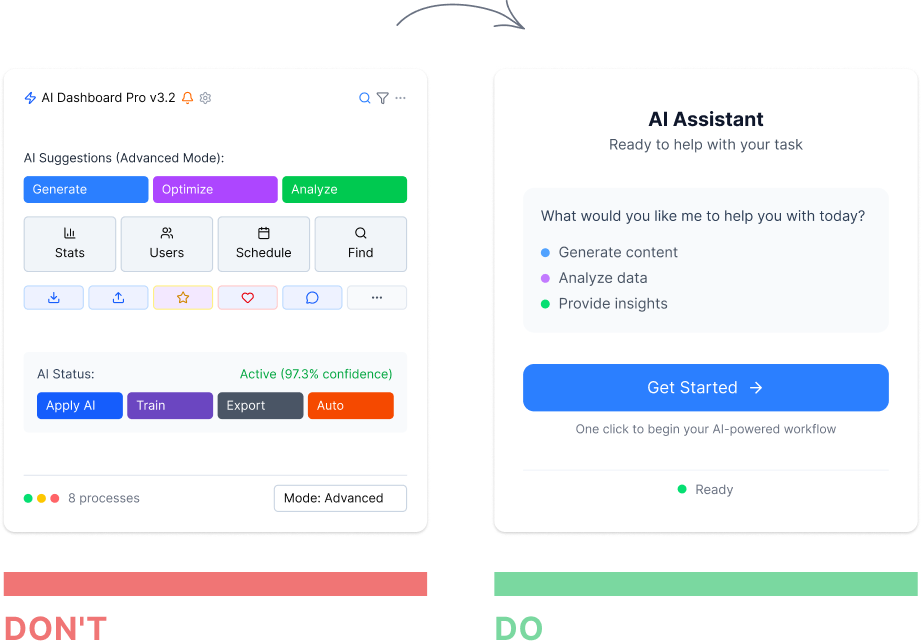
People do not come to your interface to explore. They come to do something. When the most important action is hidden inside menus or scattered across the screen, frustration becomes part of the journey.
Visibility is a kindness. Predictability reduces friction. When actions appear exactly where users expect them, the experience feels natural and uninterrupted. The goal is to let people stay focused on what they want to accomplish, not on how to navigate your product.
4. Where AI Meets Reality: Testing Tells the Truth
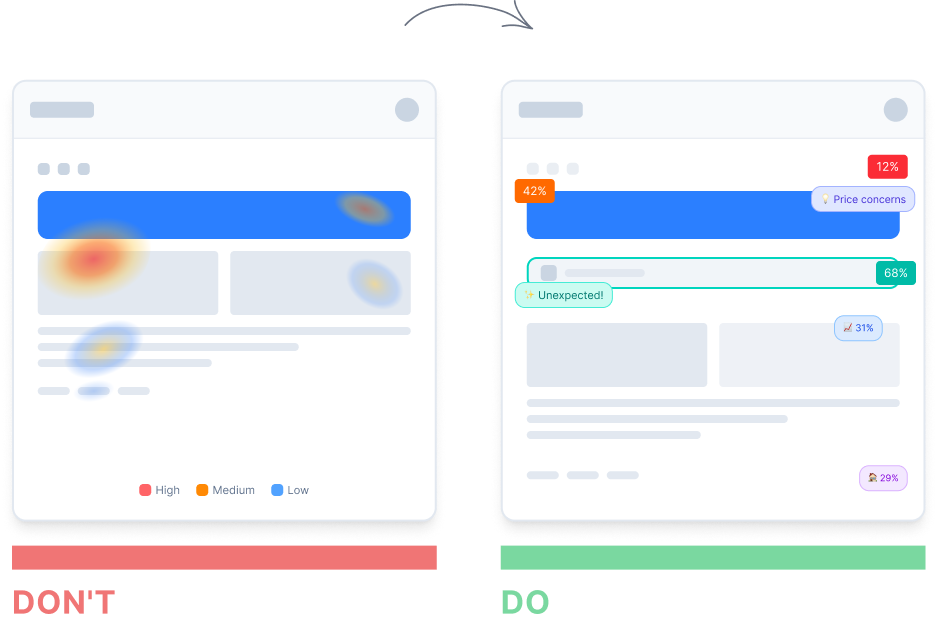
AI is useful for generating insights and predictions, but nothing replaces the moment you watch a real person use your product. Heatmaps, analytics, and AI generated assumptions show patterns, but user testing reveals truth.
This is where design evolves. It is where you discover what people actually do, not what you expected them to do. Meaningful improvements come from validating ideas in real contexts. Good testing turns assumptions into understanding.
5. At the End of the Day, It Is About Feeling
Functionality matters, but feelings define the experience. A product can work perfectly and still feel cold or overwhelming. The emotional layer is what turns a tool into something people want to return to.
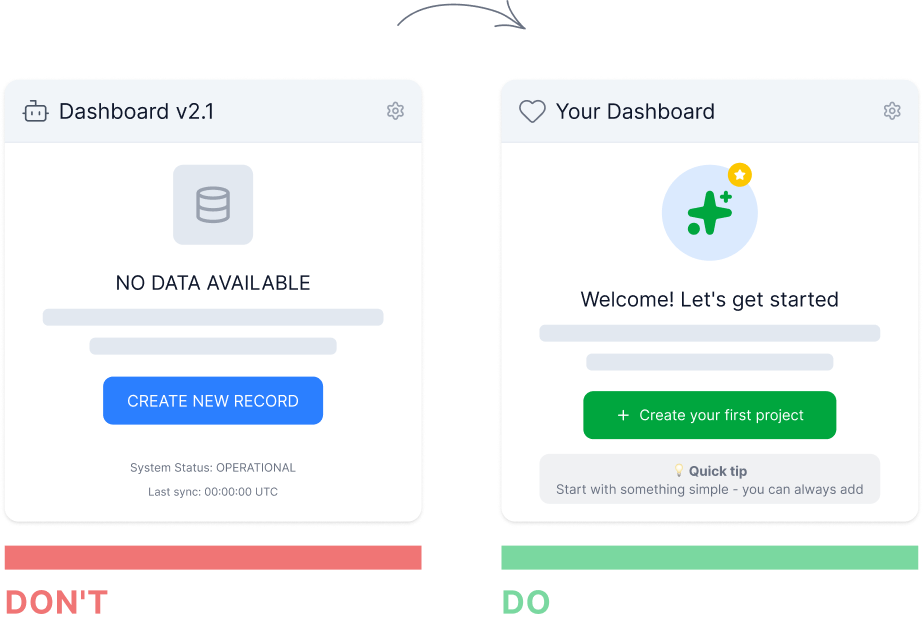
Think about the difference between an empty dashboard and a welcoming one. One feels like a dead end. The other feels like an invitation. That emotional shift changes how users approach the product and how quickly they adopt it.
AI might power the system, but UX shapes the emotion people walk away with.
Takeaway
AI can make products smarter, but UX is what makes them usable, trustworthy, and human. Every interaction, every label, every layout choice influences how people feel and how confidently they move through the experience. The future of product design is not only about intelligence. It is about intention. The products that win are the ones that feel clear, respectful, and unmistakably human.
Thanks for Reading
Thanks for spending a moment here. I hope this was helpful. If you want to talk about UX, AI, or product design, feel free to reach out anytime.
Comments
No comments yet.
You must login to add your comment
Login now